

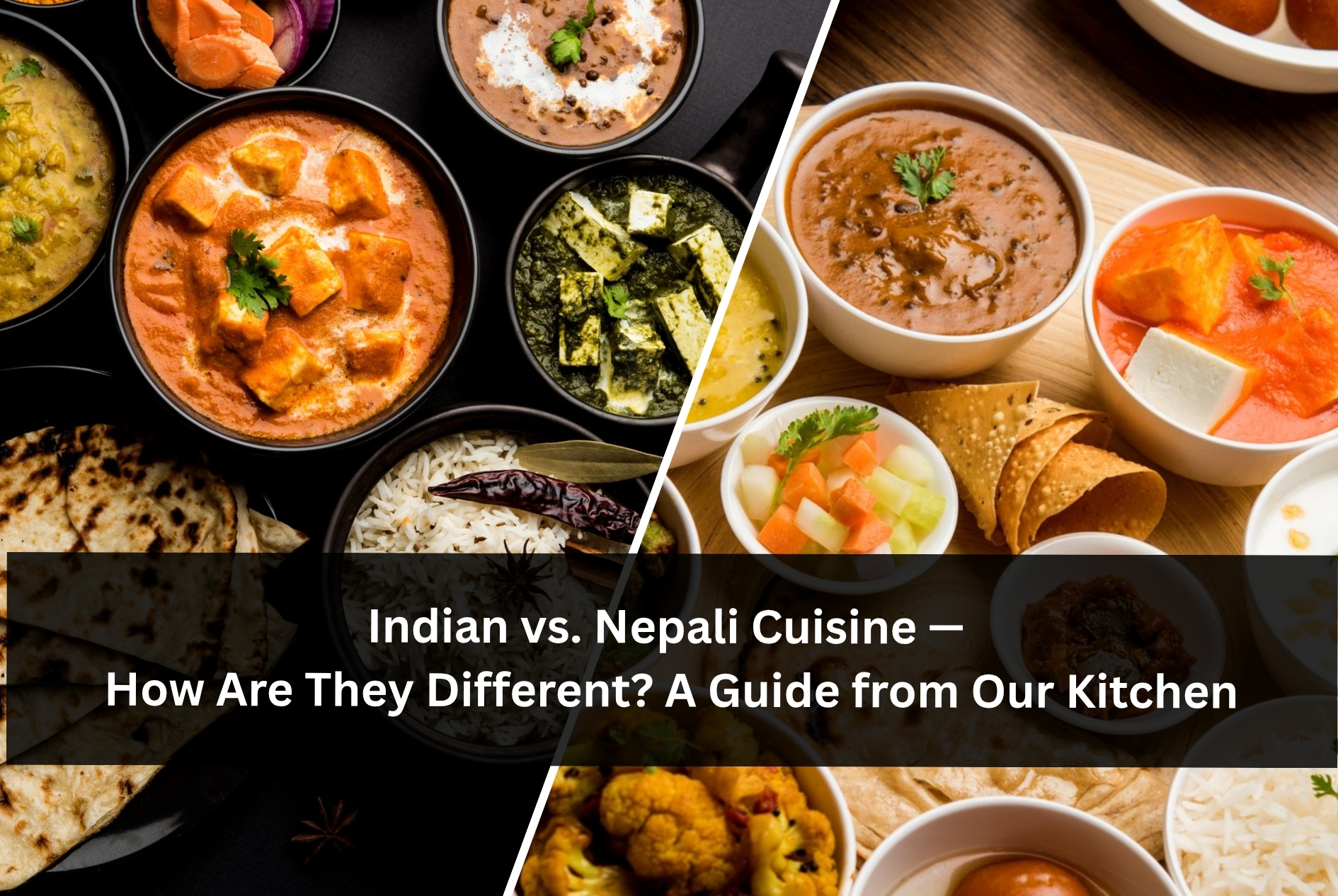
Indian vs. Nepali Cuisine — How Are They Different? A Guide from Our Kitchen
Understanding the differences between Indian and Nepali cuisine offers a deeper appreciation for the culinary traditions of South Asia. At Himalayan Curry House, this distinction is brought to life through a carefully curated menu that reflects both cultures with authenticity and balance. Each dish is prepared with respect for its origins, allowing guests to experience two rich culinary identities in one place.
With established locations in Midtown and Uptown New York, Himalayan Curry House presents a unified dining and catering experience across the city. Both locations follow the same culinary philosophy, ensuring that every dish—Indian or Nepali—is prepared with consistency, quality, and attention to detail. Guests are invited to taste the food of Himalayan Curry House and explore the flavors that define these two cuisines.
The Foundations of Indian Cuisine
Indian cuisine is known for its depth, diversity, and extensive use of spices. It draws from centuries of regional traditions, each contributing its own ingredients, techniques, and flavor profiles. From North Indian gravies to South Indian rice-based dishes, the cuisine offers a wide spectrum of tastes and textures.
A defining feature of Indian cooking lies in its spice combinations. Ingredients such as cumin, coriander, turmeric, garam masala, and cardamom are layered to create complex flavors. Cooking methods often include slow simmering, roasting, and tandoor-based preparation, resulting in rich and aromatic dishes.
Popular selections include butter chicken, chicken tikka masala, biryani, and dal makhani. These dishes are known for their bold flavors and satisfying textures. Guests are encouraged to taste the food of Himalayan Curry House and experience the richness that defines Indian cuisine.
The Simplicity and Comfort of Nepali Cuisine
Nepali cuisine offers a contrasting yet complementary experience. It is rooted in simplicity, balance, and nourishment, reflecting the geography and lifestyle of the Himalayan region. The flavors are generally milder, allowing the natural taste of ingredients to stand out.
Staples such as dal bhat (lentils and rice) form the foundation of everyday meals. Accompaniments often include vegetables, pickles, and lightly spiced curries. Nepali cuisine also features distinctive items such as momos—steamed dumplings filled with vegetables or meat—which have become a signature offering.
Cooking techniques in Nepali cuisine focus on preserving natural flavors rather than layering heavy spices. This results in dishes that feel wholesome and comforting. Guests are invited to taste the food of Himalayan Curry House and discover the understated elegance of Nepali cooking.
Key Differences in Flavor and Spice Profiles
One of the most noticeable differences between Indian and Nepali cuisine lies in their approach to flavor and spice. Indian dishes often emphasize bold, layered spices that create a strong and lasting impression. Sauces tend to be rich, with ingredients like cream, butter, and tomatoes contributing to their texture and taste.
Nepali cuisine, on the other hand, leans toward subtle seasoning. Spices are used more sparingly, allowing the freshness of vegetables, meats, and grains to take center stage. The result is a lighter flavor profile that complements rather than overwhelms.
This contrast allows diners to enjoy a balanced culinary experience when both cuisines are presented together. Guests are encouraged to taste the food of Himalayan Curry House and appreciate how these differing approaches come together harmoniously on the menu.
Ingredients and Cooking Techniques
The ingredients used in Indian and Nepali cuisine often overlap, yet the way they are utilized differs significantly. Indian cooking frequently incorporates dairy elements such as ghee, cream, and paneer, contributing to its rich and indulgent character.
Nepali cuisine uses fewer dairy components and focuses more on lentils, grains, and fresh vegetables. Mustard oil and simple spice blends are commonly used, resulting in dishes that feel lighter and more natural.
Cooking techniques also vary. Indian cuisine features methods such as tandoori grilling, deep frying, and slow cooking in gravies. Nepali cuisine relies more on steaming, boiling, and sautéing, emphasizing efficiency and clarity of flavor.
Guests are invited to taste the food of Himalayan Curry House and observe how these techniques influence the final presentation and taste of each dish.
Shared Influences and Cultural Connections
Despite their differences, Indian and Nepali cuisines share strong cultural and historical connections. Geographic proximity has led to the exchange of ingredients, spices, and cooking practices over time. This overlap creates familiar elements that bridge the two culinary traditions.
For example, both cuisines use lentils, rice, and flatbreads as staples. Spices such as turmeric, cumin, and coriander appear in both, though in varying proportions. This shared foundation allows for a seamless integration of dishes within a single menu.
At Himalayan Curry House, this connection is reflected in a menu that brings both cuisines together without compromising their individuality. Guests are encouraged to taste the food of Himalayan Curry House and explore how these shared influences create a cohesive dining experience.
Dining and Catering Across Midtown and Uptown
Himalayan Curry House extends its culinary offerings across two key areas of New York City, ensuring accessibility and consistency. The Midtown location serves as a convenient option for corporate gatherings and central events, while the Uptown location caters to residential communities and private functions.
Both locations maintain the same standards of preparation and service, allowing guests to enjoy a consistent experience regardless of where they dine or order catering. This dual presence supports a wide range of events, from formal functions to casual gatherings.
The availability of catering services further enhances this experience, bringing Indian and Nepali cuisine to events across the city. Guests are invited to taste the food of Himalayan Curry House and share these flavors in any setting.
Creating a Balanced Menu for Every Occasion
Combining Indian and Nepali cuisine in a single menu offers a unique advantage for event planning. The contrast between bold and subtle flavors allows hosts to present a well-rounded dining experience that appeals to diverse preferences.
A typical menu may include Indian curries and biryanis alongside Nepali momos and dal-based dishes. This variety ensures that guests have multiple options, each offering a distinct taste and texture.
The ability to balance richness with simplicity creates a dining experience that feels complete and satisfying. Guests are encouraged to taste the food of Himalayan Curry House and discover how this combination enhances every occasion.
Conclusion
Indian and Nepali cuisines each bring their own strengths, traditions, and flavors to the table. Indian cuisine offers depth, richness, and complexity, while Nepali cuisine provides simplicity, balance, and comfort. Together, they create a culinary experience that is both diverse and harmonious.
Himalayan Curry House captures this balance through its thoughtfully prepared menu and consistent approach across its Midtown and Uptown locations. Every dish reflects a commitment to authenticity and quality, ensuring that guests experience the true essence of both cuisines.
For those seeking to understand and enjoy the differences between Indian and Nepali food, Himalayan Curry House offers an ideal introduction. Guests are invited to taste the food of Himalayan Curry House and explore a culinary journey that celebrates tradition, flavor, and craftsmanship.
Recent Post

